
You've probably seen the number floating around: 7,641 islands. It gets repeated so often it stops meaning anything. Here's what matters instead — the Philippines has around a dozen island groups that are genuinely worth your holiday time, and they are spread across more than 1,500 kilometres of ocean. That distance is the whole game. Get the order wrong and you'll spend your two weeks on ferries and in departure lounges. Get it right and you'll be swimming with whale sharks before lunch and eating grilled squid on a different beach by dinner.
This itinerary is built around one rule I've learned the hard way: never backtrack. Pick an entry point, move in one direction, and fly out from the other end. I once watched a couple in El Nido discover they had booked a return trip to Manila just to catch a flight to Cebu. They lost two full days. Don't be them.
Key Takeaways
- Fly into one city and out of another — open-jaw tickets cost roughly the same and save you 24 to 48 hours of backtracking
- Three days of island hopping is only realistic in one cluster; anything more requires domestic flights
- Typhoon season runs roughly June to November, and it reshapes which routes are even possible
- Budget around 2,500 to 4,500 PHP per day for mid-range travel, excluding domestic flights
- Book bangka tours the evening before, not months ahead, unless you're travelling over Christmas or Holy Week
- The Palawan-Cebu-Bohol corridor is the most efficient loop in the country, and it's efficient for a reason
The island hopping itinerary for the Philippines that actually works
Most itineraries you'll find online list beautiful places without solving the transport problem between them. That's the equivalent of planning a European trip by naming Paris, Rome, and Stockholm and wishing you luck.
So let me give you the structure first, then the detail.
The Philippines splits into three practical travel regions for a short trip. Luzon in the north, where Manila sits. The Visayas in the centre — Cebu, Bohol, Negros, Siquijor, and the smaller islands around them. And Palawan, the long strip of land running southwest, home to El Nido and Coron.
Almost every good itinerary connects two of those three. Trying to do all three in under two weeks is where people break.
Why the order of your stops matters more than the stops themselves
Domestic aviation in the Philippines is cheap and frequent, but it's also weather-dependent and concentrated in a few hubs. Manila is the big one. Cebu is the second. Clark and Davao handle some traffic. Beyond those, you're on propeller planes or boats.
Here's the pattern that works. Land in Manila or Cebu, immediately fly onward to your furthest destination, and then work your way back toward a different international departure point. It feels counterintuitive — you're flying past places you'll visit later — but it eliminates the one thing that ruins Philippine trips: the pointless round-trip.
Manila to Cebu to Bohol to El Nido to Manila is the classic loop, but note that the last leg back to Manila is a wasted flight. Swap it for Manila to Cebu, ferry to Bohol, fly Bohol to El Nido, fly El Nido to Manila and you've still got one backtrack. The genuinely clean version flies Manila to Coron, boat to El Nido, flight to Cebu, ferry to Bohol, and out from Cebu.
That last one only works if you're comfortable with a long boat crossing. More on that below.
Philippines itinerary 7 days: pick one cluster and go deep
A week is not enough for the Philippines. I want to be direct about that, because every article that promises otherwise is selling you something. What a week is enough for is one region done properly.
The 7-day Visayas route
Fly into Cebu. Spend one night in Cebu City or, better, head straight to Moalboal on the southwest coast — around three hours by bus — where you can snorkel over a sardine run so dense it blocks out the light. Two nights there. Then transfer to Bohol, either by ferry from Cebu City or by crossing from the south. Two nights in Panglao. Then one night back near Cebu airport before your flight home.
- Day 1 — land in Cebu, transfer to Moalboal, eat something with your hands
- Days 2 and 3 — sardine run, Kawasan Falls, maybe a turtle spot if the current cooperates
- Day 4 — travel to Bohol, afternoon at Alona Beach
- Day 5 — Chocolate Hills and the tarsier sanctuary, then the Loboc river if you want the tourist version
- Day 6 — island hopping around Balicasag, which is the best snorkelling in the region
- Day 7 — ferry or flight back to Cebu, buffer time, departure
Notice I built in a buffer. Domestic flights in the Philippines get cancelled. Not often, but often enough that you should never book a same-day connection between a domestic arrival and an international departure. I've seen it go wrong twice, and both times it cost the traveller a full rebooking fee.
The 7-day Palawan route instead
This is the version I'd pick if you've never been. Fly Manila to Puerto Princesa, take the van up to El Nido — five to six hours on a road that's improved a lot but still isn't fast — and base yourself there for four nights. Do the Bacuit Bay island hopping. Do the inland lagoons. Then fly out from El Nido's small airport, which connects to Manila, Cebu, and a few other points.
Four nights in one place is not lazy. It's how you actually see somewhere.
Philippines island hopping itinerary 10 days: the sweet spot
Ten days is where the Philippines starts to make sense. You can link two clusters without sprinting.
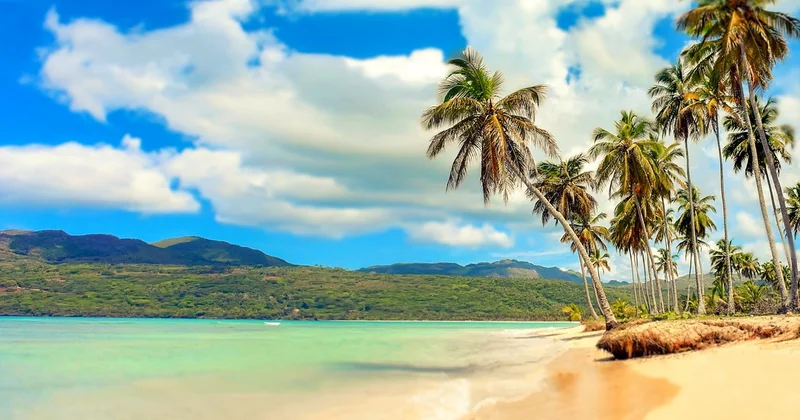
The route I recommend, and the one I'd give a friend: Manila to Coron to El Nido to Cebu, then fly home from Cebu.
The Coron to El Nido crossing, explained honestly
This is the part nobody tells you about properly. The boat between Coron and El Nido takes roughly three and a half to five hours depending on the vessel and the sea state. It's not a gentle cruise. Outrigger ferries handle it, but if you get motion sickness, take something before you board, not after.
The alternative is flying Coron to El Nido via Manila, which is absurd geographically but sometimes cheaper than the ferry. Check both before you commit.
Coron itself deserves two or three nights. The wreck diving is world-class — several Japanese supply ships sunk in 1944 sit in relatively shallow, clear water, and even snorkellers can see the top decks of a couple of them. Kayangan Lake gets crowded by mid-morning, so go early or accept the queue.
How the ten days break down
| Days | Location | Highlights | Rough nightly cost |
|---|---|---|---|
| 1-2 | Coron | Wreck diving, Kayangan Lake, Maquinit hot springs | 1,500-4,000 PHP |
| 3-5 | El Nido | Bacuit Bay island hopping, Big Lagoon, Nacpan Beach | 1,800-5,000 PHP |
| 6-7 | Cebu City / Moalboal | Sardine run, canyoneering at Kawasan | 1,200-3,500 PHP |
| 8-10 | Bohol | Balicasag snorkelling, Chocolate Hills, Panglao beaches | 1,500-4,500 PHP |
Those figures are what I've paid and what friends have paid across several trips. They move with the season. December and January — peak season — can push the upper end by 40% or more.
Philippines itinerary 14 days: adding the quieter islands
With two weeks you can add somewhere that isn't on every list. This is the part I'd push hardest on, because the difference between a good Philippine trip and a memorable one is often one island with fewer people on it.
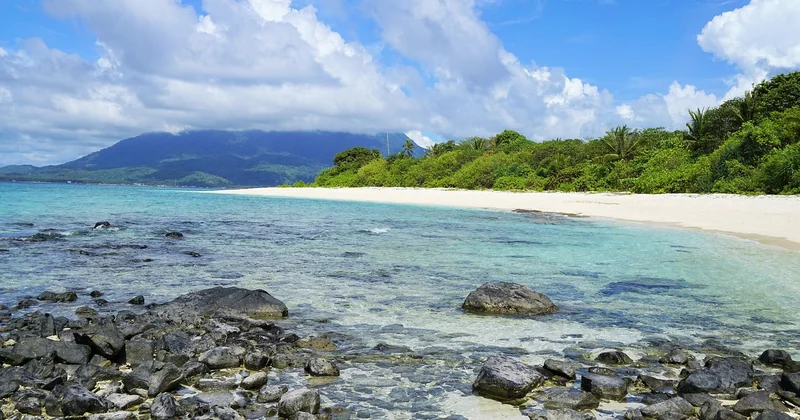
Where to extend a two-week route
Siquijor is my first recommendation. It sits just off Negros and Dumaguete, reachable by a short ferry, and it has waterfalls, a marine sanctuary at Tulapos, and almost none of the crowds that Bohol gets. Two nights is enough. Three is better.
Malapascua, north of Cebu, is where you go if you dive. Thresher sharks appear at Monad Shoal at dawn on a schedule so reliable that dive shops run trips every morning. It's a small island with limited accommodation, so book ahead if you're going between December and May.
Camiguin, off the north coast of Mindanao, is volcanic, has hot springs and cold springs within a few kilometres of each other, and sees a fraction of the traffic of the Visayas' headline islands. Getting there takes a flight to Cagayan de Oro plus a bus and a ferry, which is exactly why it stays quiet.
A structure that holds together
- Fly Manila to Cebu, transfer immediately to Malapascua — 3 nights
- Back to Cebu City, ferry to Bohol — 3 nights
- Ferry to Siquijor via Dumaguete — 3 nights
- Ferry to Negros, then fly from Dumaguete to El Nido via Manila — 3 nights in El Nido
- Fly El Nido to Manila — 1 night, buffer, fly home
The Dumaguete to El Nido leg is the awkward one. There's no direct flight. You'll route through Manila or Cebu and lose most of a day. If that bothers you, cut El Nido from this version and fly home from Cebu instead — you'll have a calmer trip and you won't have missed anything essential.
Island hopping Philippines 3 days: what's genuinely possible
Three days means one island. Not two. Not "El Nido plus a quick hop to Coron." One.
Fly Manila to El Nido directly if you can get the flight, or to Puerto Princesa and accept the van ride. Base yourself in El Nido town. Day one, do Tour A — the lagoons and Seven Commandos Beach. Day two, do Tour C — Hidden Beach, Matinloc Shrine, and the snorkelling spots. Day three, rent a scooter and ride to Nacpan Beach, which is four kilometres of sand and, on a weekday morning, nearly empty.
That's a real three-day trip. What doesn't work is trying to see Coron as well. The crossing eats half a day each way and you'll spend the rest of the time watching the clock.
Island hopping Philippines price: what you'll actually pay
Let's talk money, because this is where most guides go vague.
Standard bangka island hopping tours in El Nido run as group tours with a fixed price per person. Tour A and Tour C sit in the 1,200 to 1,800 PHP range per person, including lunch and entrance fees, depending on whether you join a shared boat or book a private one. A private boat for the day starts around 5,000 to 7,000 PHP and splits well across four or five people.
Coron's tours are similar. Bohol's Balicasag trip runs a bit less. In every case, the environmental and terminal fees are sometimes separate — budget an extra 200 to 400 PHP per tour and you won't get surprised at the dock.
Domestic flights are the biggest variable. Booked two to three months out, Cebu Pacific and Philippine Airlines often sell seats for 1,500 to 3,000 PHP each way. Booked a week before Christmas, the same seat can cost four times that. I've paid both.
Ferries are cheap. The Cebu to Bohol crossing runs a few hundred pesos. The Coron to El Nido boat is the outlier, generally 1,800 to 2,800 PHP depending on class.
When to go, and when not to
This is the single biggest omission in most itineraries I read, so let me be blunt about it. Typhoon season in the Philippines runs roughly June through November, with the peak risk between August and October. That doesn't mean it rains every day. It means that a route built around boat crossings carries real cancellation risk, and that domestic flights get reshuffled at short notice.
If you're travelling in those months, favour routes with fewer boat legs and more flight options. The Cebu-Bohol-Negros cluster handles bad weather better than a Palawan crossing does.
December to May is dry season and the busy period. March and April are hot — genuinely hot, mid-thirties with high humidity — but the water is at its clearest and the crossings are smoothest. If you have flexibility, late January and February give you the best balance of weather and manageable crowds.
One more thing about crowds. El Nido's Big Lagoon now limits daily visitor numbers during peak periods, and the queue for the entrance can run long. Book your tour through an operator who handles the permits, or you'll be standing on a beach waiting while the boats you paid for leave without you.
Booking, buffers, and the things that go sideways
Reserve domestic flights early. Reserve accommodation in El Nido and Coron early if you're travelling December through May. Everything else — boats, tours, vans — you can book a day or two ahead. Don't over-plan the small stuff; weather and sea conditions will redraw your schedule anyway.
Always keep one full day of buffer before an international departure. Not a half day. A full one. I've watched people sprint through Manila's domestic terminal at 6am trying to make a connection that no longer existed, and there is no version of that morning that ends well.
Travel insurance that covers trip interruption is worth the extra cost here. So is a flexible return ticket.
And bring cash. Smaller islands have ATMs, but they run out, and the ones that work charge fees that make you wince. A few thousand pesos in reserve solves a lot of problems.
The Philippines rewards patience more than it rewards planning. You can map out every ferry and every flight and still end up somewhere you didn't intend, on an island you'd never heard of, eating the best meal of the trip. That's not a failure of the itinerary. That's the itinerary working.


