You can spot a beginner on the water from fifty yards away. Not by the boat, not by the paddle. By the shoulders. They're hunched, elbows locked, staring at the bow like it's about to betray them. And honestly? That was me for the first two seasons. I fought every river I paddled, and every river won.
The turning point had nothing to do with gear or skill. It was the day a retired guide on a quiet stretch of the Current River told me to stop steering and start reading. Read the current. Read the shoreline. Read the water the way you'd read a facial expression. That single shift turned paddling from a workout I dreaded into the reason I plan my weekends around weather windows.
The best kayaking and canoeing spots for outdoor lovers aren't the ones with the prettiest photos online. They're the ones that match your skill, your schedule, and your tolerance for cold water. Below, I'll walk through how I vet a launch site, which regions genuinely deliver, and the mistakes I made so you don't have to repeat them.
Key Takeaways
- Match the water to your skill level first, the scenery second — a gorgeous Class III rapid is a miserable place to learn.
- Shoulder-season paddling (late spring, early fall) gives you fewer crowds, better water clarity, and more wildlife.
- Always check flow rates and wind, not just the forecast icon. A sunny 75°F day with 20 mph gusts is a bad paddle day.
- Cold water kills faster than cold air. Dress for the water temperature, not the air temperature.
- The best spot near you is usually the one 40 minutes away that you can visit on a Tuesday, not the famous one eight hours away.
How I vet a paddling spot before I ever load the boat
Most lists hand you a location and call it a day. That's useless. What you actually need is a filter. Over roughly 60 paddling days across the last three years, I've narrowed mine to five questions I ask before committing.
The five-question filter
- What's the water class? Flat, moving, or whitewater — this single answer eliminates half your options if you're a beginner.
- How far is the shuttle? A 12-mile river trip with no takeout means you're paddling back upstream. Ask me how I know.
- What's the flow rate today? Rivers that are lazy in August can be genuinely dangerous after spring melt.
- Where does the wind come from? On open lakes, a steady headwind turns a pleasant two-hour loop into a four-hour grind.
- Can I be on the water by 8 a.m.? Early starts beat crowds, heat, and afternoon thunderstorms almost everywhere.
That fifth one sounds trivial. It isn't. I once launched at noon on a popular reservoir in July and spent the entire afternoon dodging pontoon boats and wakes. Same water, launched at 7 a.m. two weeks later, and I had the northern arm entirely to myself with a heron as my only company.
The table I wish I had years ago
Here's a normalized comparison of the water types you'll encounter. Use it to self-assess before you pick a destination.
| Water type | Typical skill needed | Best season | Main risk |
|---|---|---|---|
| Calm lake / reservoir | None — first-timers welcome | Late spring to early fall | Wind and boat traffic |
| Slow river (Class I) | Basic steering | Summer, after melt | Strainers and downed trees |
| Coastal bay / estuary | Intermediate | Summer, calm tides | Tides and currents |
| Open ocean | Advanced | Varies by region | Swell, fog, distance from shore |
| Mangrove tunnels | Intermediate | Dry season | Navigation, insects, tide timing |
Notice there's no "difficulty score out of ten" column. Those numbers are invented by whoever wrote the list. What matters is whether you can self-rescue in that water, and whether you've done it before.
The most beautiful places to kayak in the US — and what nobody tells you
Everyone names the same handful of postcard destinations. They're beautiful. They're also crowded, expensive, and often harder than they look. Here's my honest read on the classics, plus a few that deserve more attention.
The Great Lakes and Midwest rivers
The upper Midwest is where I cut my teeth, and I'll defend it as the most underrated paddling region in the country. Rivers like the Mad River in Ohio, the Wisconsin, and the St. Croix offer long, gentle water trails with sandbars for lunch stops and almost no permit requirements.
The catch? Water levels swing hard. A stretch that's a lazy float in June can be a muddy scrape in August. I learned to check the gauge reading the night before and again the morning of, because a single rainstorm upstream can change everything. Twice I drove 90 minutes to a put-in only to find the river too low to float. That's a two-hour round trip for a sandwich on a boat ramp.
Coastal and southern highlights
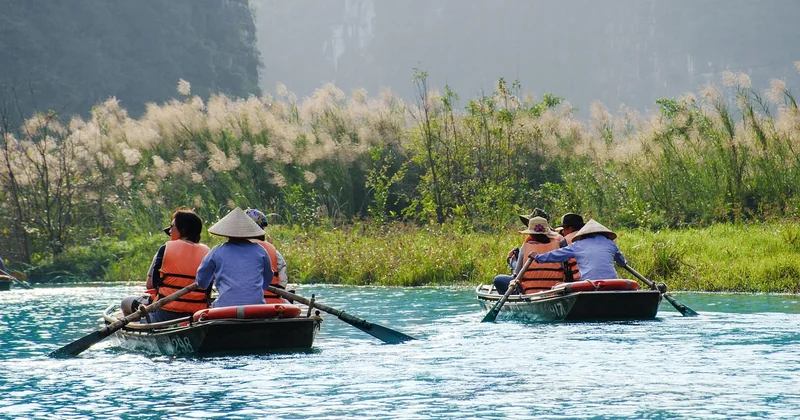
Further south, the appeal shifts from current to ecosystem. Mangrove tunnels in Florida, tidal creeks in the Carolinas, and the spring-fed rivers of northern Florida give you water so clear you can count turtles from the boat. These are intermediate waters — the challenge isn't rapids, it's navigation and tide timing. Miss a tide window and you're dragging a loaded kayak through mud.
On the West Coast, sea kayaking in places like the Pacific Northwest rewards preparation with scenery that genuinely stops conversation. Cold water, fog banks, and long distances from shore mean you need a marine radio, a spray skirt, and a partner. I wouldn't do it solo, and I say that as someone who paddles alone more than I probably should.
What nobody tells you about the famous spots
The headline destinations have three hidden costs. Launch fees that add up (I've paid anywhere from nothing to $18 per launch, and some popular access points now require advance reservations). Permit lotteries for certain protected rivers and wilderness areas. And parking — arrive after 9 a.m. at a famous launch on a summer weekend and you may not find a spot at all.
My workaround: go on a weekday, or go in the shoulder season. Late September on a lake that's mobbed in July feels like a private reserve. The light is better too.
Finding kayaking near me without falling into the tourist trap
Here's a frustration I hear constantly: people search for water near them and get a list of commercial rental outfits at crowded beaches. Useful if you want an hour in a sit-on-top with a guide. Useless if you own a boat and want solitude.
How to find quiet water close to home
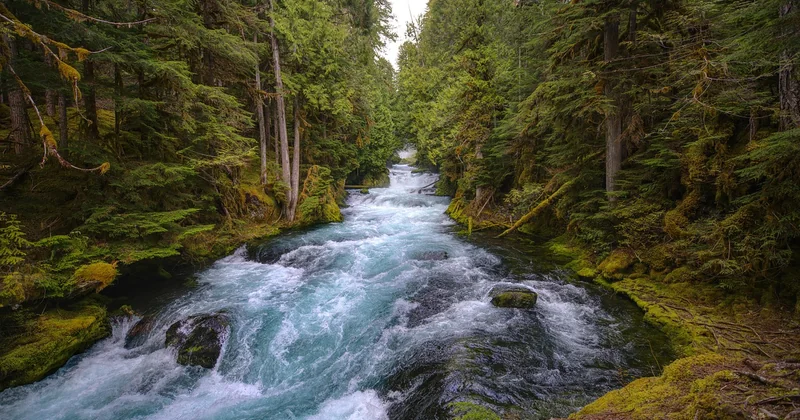
- Look for water trails — designated routes with mapped access points, often on state or regional conservation land. They're quieter than marquee lakes.
- Check whether a nearby river has a public boat ramp with a one-way shuttle. Even a modest 6-mile stretch makes a great half-day.
- Check local paddling clubs. Not for the social scene, but because members know put-ins that never appear on any list.
- Settle for small. A 2-mile pond with no motorboats beats a famous lake full of jet skis.
My most-used launch is a gravel ramp behind a county park, 25 minutes from my house. No fee, no crowds, and a two-mile loop that takes exactly the length of a podcast. I've paddled it more than forty times. Familiar water teaches you more than exotic water does — you notice the seasonal changes, the bird migrations, the way the current shifts after a storm.
That's the counterintuitive part of this whole hobby. The famous spots are worth visiting once. The nearby, unremarkable one is worth visiting all year.
Best places to kayak in the world — if you're planning a trip
If you're building a paddling trip into a vacation, the selection criteria change. You're no longer optimizing for convenience. You're optimizing for an experience you can't get at home.
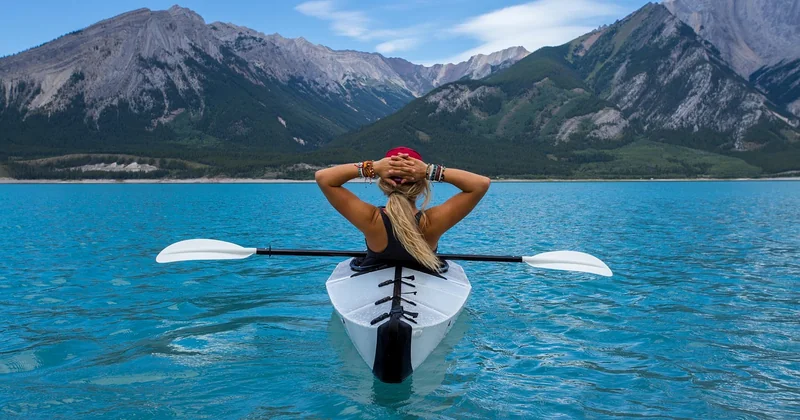
Three regions consistently deliver, and they deliver for different reasons. Fjord country in Scandinavia gives you scale — walls of rock, deep cold water, and long summer daylight. Tropical limestone archipelagos in Southeast Asia give you warm water, caves, and lagoons that feel engineered for a small boat. And the glacier-fed lakes of Patagonia give you color and isolation, with weather that can turn in twenty minutes.
Real talk: international paddling is a logistics problem, not a skill problem. You'll rent or ship a boat, deal with unfamiliar regulations, and depend on local operators who know the tides and the wind patterns. Budget more time than you think you need. I once planned a single day for a lagoon I should have given three, because the afternoon wind made it un-paddleable and I had no slack in my schedule.
Logistics, safety, and seasonality: the part most guides skip
This is where lists usually stop, and it's exactly where paddling gets real.
Cold water and the mistake I made
I once paddled a mountain lake in early June with air temperature around 68°F. The water was 48°F. I flipped practicing an eddy turn, went under, and surfaced gasping — the cold shock response is violent and immediate. I was fine because I was twenty feet from shore and wearing a wetsuit. If I'd been a half-mile out in a t-shirt, that same spill could have ended very differently.
The rule is simple and non-negotiable: dress for the water, not the air. A wetsuit or drysuit, a properly fitted PFD you actually wear, and a spare layer in a dry bag. Hypothermia doesn't care that the sun is out.
Flow, tides, and weather windows
Three numbers govern every trip. River flow, measured at a gauge. Tide timing, on any coastal or estuarine water. Wind speed and direction, which matters more on open water than any other factor.
Check all three the night before and again the morning of. Wind forecasts on large lakes are frequently wrong twenty-four hours out and reasonably accurate six hours out. I've cancelled maybe one in five planned trips based on a morning check. Annoying. Correct.
Permits, fees, and access
Some protected rivers and wilderness areas require permits, and popular ones run lotteries months in advance. Launch fees at managed access points range from nothing to around $20. Some state parks bundle launch access into a day-use pass you can buy at the gate.
The best habit you can build: call the local land manager the week before. Not a website, not a forum thread from four years ago. A phone call. Rangers know about the washed-out ramp, the closed section, and the algae advisory that never made it online.
The takeaway I didn't expect
After all the gear, the planning, the cancelled trips and the wrong turns, the thing that kept me in a boat wasn't the scenery. It was the slowness. From the water, a landscape you've driven past a hundred times looks completely unfamiliar. Fences you never noticed. A heron rookery behind a strip mall. The way a river bends around a field you thought you knew.
So pick the nearest patch of water. Go early. Dress for the cold. And when you find yourself fighting the boat again, remember what that guide told me: stop steering, start reading.
The water's already telling you where to go. Most of us just aren't listening yet.