You're standing on a gravel path in Yellowstone at 5:40 in the morning, and your fingers are numb. You've been here forty minutes. Nothing has happened. Then a woman beside you whispers, "There," and a wolf the color of ash walks out of the treeline like it owns the place, glances at your group the way you'd glance at a bus stop, and disappears. Nobody breathes for eight seconds.
That's the thing about wildlife watching destinations: the payoff is not guaranteed, and that's exactly why it works on you. A zoo delivers on schedule. A documentary never misses. The wild does not care about your itinerary.
I've planned trips around animals for a long time, and I've made every mistake in this article at least once. I've paid for a safari where we saw four species in three days. I've booked a "guaranteed orca tour" in a season when the guarantee was technically true and emotionally worthless. Below is what I'd tell a friend who asked me where to go, when to go, and how not to waste the money.
Key Takeaways
- The best wildlife destinations are chosen by season and species, not by fame. Timing beats location roughly every time.
- Wildlife watching rewards patience and optics far more than it rewards budget. A good pair of binoculars changes more than a business-class seat.
- Your realistic sighting odds depend on staying put for several days, not on visiting many places in one trip.
- Ethical operators cost more and are worth it. Approach distances exist for a reason, and the animal's stress is not your photo opportunity.
- You do not need a plane ticket to start. Regional parks and even city edges deliver real, unscripted encounters.
- Photographers should plan around light and behavior windows; families should plan around shorter outings, shorter drives, and realistic expectations.
How to choose wildlife watching destinations that actually deliver
Most lists you'll find rank places by how spectacular the animal is. That's backwards. Rank them by your probability of seeing it, then work out whether you can afford the time.
The three questions that filter every destination
Before you look at a single photo, answer these honestly.
- Is the species resident or migratory? A resident population means you can go almost any month. A migratory one narrows your window to weeks.
- How concentrated is the habitat? Animals packed into a small area — a watering hole in the dry season, a shallow bay — are far easier to find than animals spread across a mountain range.
- How many days can you give it? Three days is the minimum for a serious attempt. One day is a lottery ticket.
That third point is where most trips fail. On a two-week itinerary that touches five parks, you're spending much of your time driving and settling in. I did this once in Costa Rica: four reserves in nine days, and my best sighting happened in the parking area of the second one. Consolidate. Pick two places, stay four nights each.
Residents, migrants, and the timing trap
Migratory megafauna are the ones that get the marketing. Humpback whales, monarch butterflies, caribou herds, sandhill cranes. They're spectacular, and they're also the easiest thing to get wrong, because the window shifts a little every year with water temperature, food supply, and weather. If you're flying across an ocean for a two-week migration, build in slack: arrive at the start of the expected window, not the end.
Resident species are the underrated choice. Mountain gorillas don't migrate. Neither do most big cats in well-protected reserves, nor sea otters, nor kiwi birds. Go for residents when your dates are fixed by work or school.
The best wildlife watching destinations in the USA for nature enthusiasts
Americans are spoiled and mostly don't know it. You can see wolves, bears, bison, alligators, and whales without a passport, and in several cases without a long flight.
Yellowstone and Grand Teton: the reliable heavyweight
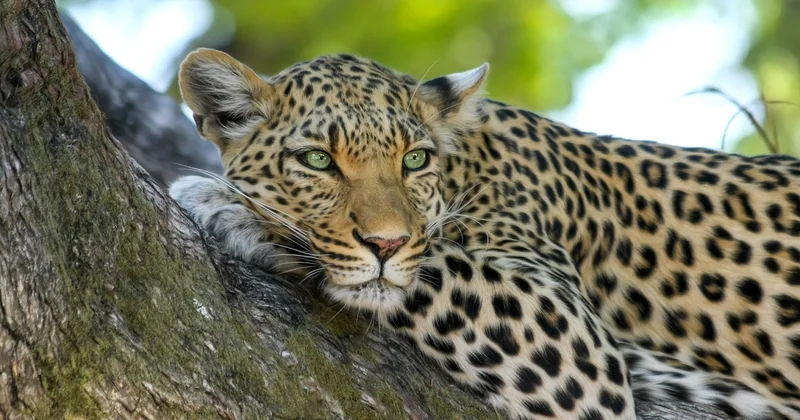
The Lamar Valley in Yellowstone is the closest thing in the lower 48 to a guaranteed predator sighting — not guaranteed on any given morning, but across four or five mornings, your odds of wolf or grizzly are strong. Go in late May or September. July and August bring crowds that push animals away from the roads and turn every sighting into a traffic jam.
Grand Teton, an hour south, is the better pick if you want scenery with your wildlife. Moose in the willows along the Gros Ventre, elk bugling in autumn, and pronghorn on the flats. It's also far less congested.
Alaska, beyond the brochure
Katmai's brown bears fishing at Brooks Falls is the famous image, and it's real, but the permitting system for the viewing platforms is restrictive and you need to plan months ahead. If you want a lower-friction Alaska trip, look at the Kenai Peninsula in July and August: humpbacks, orcas, sea otters, puffins, and bald eagles from a single boat, with no permit required.
One caution. Alaska is expensive, distances are enormous, and weather cancels flights regularly. Budget an extra day on each end.
Florida and the Gulf Coast
Underrated for serious watching. Manatees gather in the warm springs in winter, and the Ding Darling refuge on Sanibel offers alligators, roseate spoonbills, and wading birds at close range from a walking loop. It's also warm, flat, and accessible, which matters if you're travelling with grandparents or young children.
The Pacific Northwest
Orcas in the Salish Sea, tide-pool life on the Olympic coast, and migrating gray whales in spring. Go in May through September for the best conditions on the water. Seasickness is a genuine factor here, and no amount of enthusiasm compensates for a rough crossing.
Top wildlife destinations in the world, ranked by what you'll actually see
Here's a comparison I wish someone had handed me years ago. The numbers are the realistic number of full days you should plan, and a rough sense of how forgiving the destination is for a first-timer.
| Destination | Signature species | Best window | Days needed | Forgiving for beginners? |
|---|---|---|---|---|
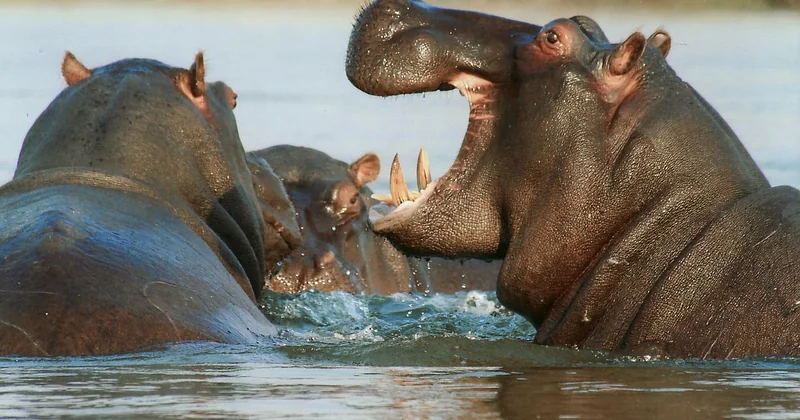
| Galápagos, Ecuador | Giant tortoises, sea lions, marine iguanas | Year-round; Dec–May calmer seas | 7–8 | Very — animals are unafraid |
| Maasai Mara / Serengeti | Big cats, wildebeest migration | Jul–Oct for the migration | 5–7 in one reserve | Yes, with a good guide |
| Hokkaido, Japan | Steller's sea eagles, red-crowned cranes | Jan–Feb for eagles on ice | 4–5 | Moderate — cold and specific |
| Madagascar | Lemurs, chameleons | Sep–Nov | 10–14 | Low — long drives, tough roads |
| Antarctica | Penguins, seals, whales | Nov–Mar (austral summer) | 10+ with crossing | Easy on board, costly |
| Rajasthan, India | Tigers, leopards | Apr–Jun for waterhole sightings | 5–6 | Moderate — permits matter |
| Costa Rica | Resplendent quetzal, sloths, frogs | Dec–Apr dry season | 8–10 | Yes, but expect rain |
Two things jump out of that table once you've lived it. First, the destinations that are easy for beginners are easy because the animals have no fear of people — the Galápagos and Antarctica, mainly. Second, the hardest ones aren't hard because of the animals. They're hard because of logistics, roads, and permits.
What about the animals, and the people watching them?
Here's where I part company with a lot of travel writing. The industry sells encounters. The animals don't consent to them. And the difference between a good trip and a harmful one is almost entirely about distance, duration, and the guide.
What distance is appropriate?
Most protected areas set minimum approach distances by species — commonly around 25 metres for large mammals, more for marine mammals. These aren't suggestions and they aren't there to frustrate you. A stressed animal burns energy it needs. If a whale changes direction because you approached, you've already gone too far.
Ask your operator directly: what's your approach distance policy, and how do you handle a group that wants closer. The answer tells you everything. If they shrug, walk away.
What should you avoid?
- Any operator offering hands-on contact with wild animals
- Feeding stations designed for photographs rather than conservation
- Baiting predators to draw them to a viewpoint
- "Sanctuaries" with no visible conservation programme and no published welfare standards
- Boat operators who chase whales rather than positioning ahead of them
And a personal rule I've adopted: if I'm the only thing standing between an animal and its normal behaviour, I move. It's cost me photographs. I'd make the same choice again.
Practical preparation: optics, guides, and knowing what you're looking at
Equipment matters less than people think, with one exception: binoculars. A decent pair in the 8x42 range will do more for your experience than any camera upgrade. Buy them before you buy anything else. I spent my first two trips squinting at distant shapes and calling them "probably deer."
Hiring a local guide
A good local guide is the single highest-return expense in wildlife travel. They know where the animal was yesterday, which changes everything. In one reserve, our guide took us to a side track where a leopard had been resting for three days, and we had the sighting to ourselves. The group that left at dawn for the main road saw nothing.
Ask whether they carry spotting scopes, how many people per vehicle, and whether they've worked the area for more than a couple of seasons.
Low-cost and local watching
You don't need a safari. Regional parks, estuaries, and wetland reserves deliver genuine encounters — otters, kingfishers, deer at dusk, bats over a river. I've had better luck with urban foxes behind a train station than with some paid tours. Start there. Learn to be still and quiet. That skill transfers directly to the expensive trips.
If you're an animal lover looking for a vacation where the animals aren't just background, the honest answer is that proximity to good habitat matters more than prestige. A week in a modest wetland reserve will teach you more than four days chasing a checklist.
The question I get most often
Someone always asks: where's the best place for wildlife photography near me? The answer is genuinely unsatisfying — the best place is wherever you can get to twice a month for a year. Familiarity with one location beats novelty across ten. You learn the light, the seasons, and a specific animal's habits, and that's the whole game.
Everything else — the flights, the permits, the cold mornings — is logistics. Worth doing. Just not the point.